Cracked or Broken Tooth Emergency in Berwyn, IL

Serving patients in Berwyn, Cicero, Riverside, North Riverside & Lyons

Fast Emergency Dental Care for a Cracked or Broken Tooth

A cracked or broken tooth is the kind of dental problem that demands attention right away. Whether you felt a sharp snap while eating, took a hit during a game, or noticed a fracture while brushing, the clock starts ticking the moment it happens. Left untreated, even a crack that seems minor can allow bacteria to reach the inner layers of the tooth, leading to infection, significant pain, and potentially the loss of the tooth altogether.

At Robles Family Dental, Dr. Kenny Robles provides same-day emergency care for patients throughout Berwyn and the surrounding communities of Cicero, Oak Park, and North Riverside. Call us immediately at (708) 788-4444 so we can help.

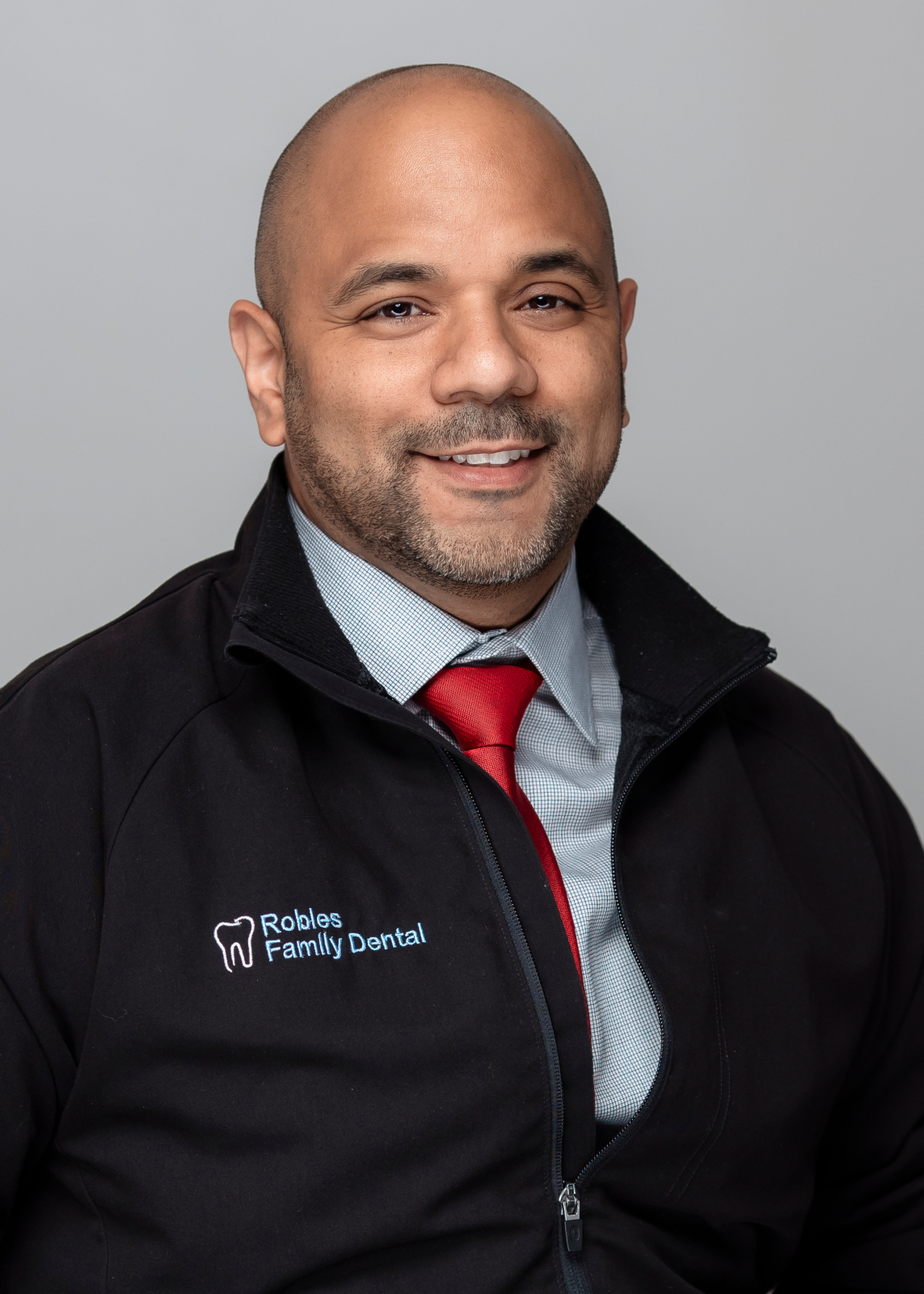
Dr. Kenny Robles wearing a black jacket with "Robles Family Dental" logo, smiling, representing emergency dental care for cracked or broken teeth in Berwyn, IL.

Training That Goes Beyond General Dentistry

Most general dentists refer out when things get complicated. Dr. Robles built his training specifically around complex cases. He completed a Master’s program in Orofacial Pain, TMJ Disorders, and Sleep Apnea in 2020, and during dental school, he rotated through the AIDS Healthcare Foundation clinic in downtown Los Angeles, where he developed hands-on experience treating medically compromised patients.

Whether you’re managing a chronic condition, dealing with jaw pain, or simply looking for a dentist who won’t be rattled by your health history, Dr. Robles brings a level of clinical depth that’s uncommon in a neighborhood practice.

What Is a Cracked or Broken Tooth?

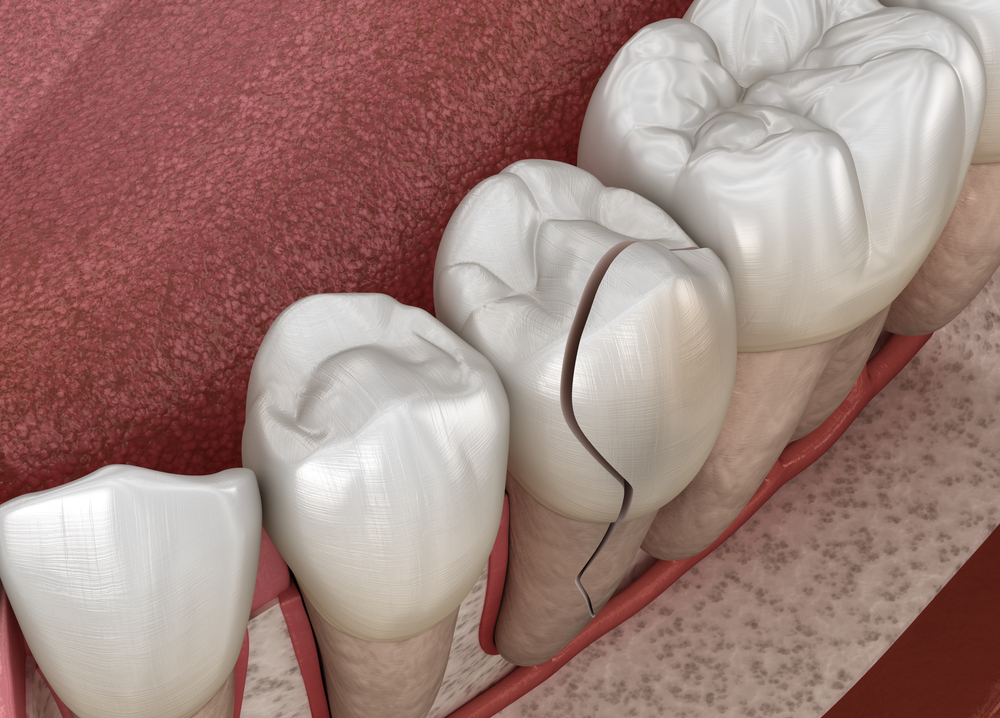
A cracked or broken tooth is any injury in which the structural integrity of the tooth has been compromised, ranging from a hairline crack in the outer enamel to a severe fracture that extends all the way to the root. Depending on the depth and location of the damage, the enamel, dentin, or pulp — the innermost layer containing nerves and blood vessels — may be affected. The deeper the damage reaches, the more urgent and complex the treatment typically becomes.

Close-up of a cracked tooth illustrating dental anatomy, including enamel and gum tissue, relevant to discussions on cracked or broken teeth and emergency dental care at Robles Family Dental.

Types of Cracked and Broken Teeth

Not all tooth fractures are the same, and understanding the type helps clarify what treatment may be needed:

  • Craze lines: Hairline surface cracks confined to the outer enamel. These are usually cosmetic and cause little to no pain, but should be monitored.
  • Chipped tooth: A small piece of enamel breaks away. Often minor, but the resulting sharp edge can irritate the tongue and cheeks and may expose sensitive dentin.
  • Cracked tooth: A crack that runs from the chewing surface down toward the root. This type is often painful, especially when biting, and can worsen without treatment.
  • Fractured cusp: Part of the chewing surface, typically around an existing filling, breaks off. Usually less painful than a full crack since the pulp is rarely involved.
  • Split tooth: A severe crack that divides the tooth into distinct segments. This often results in the extraction of at least part of the tooth.
  • Vertical root fracture: A crack that begins at the root and extends upward. These are difficult to detect and often only discovered when the surrounding bone and gum tissue become infected.

Symptoms of a Cracked or Broken Tooth

Some fractures are immediately obvious. Others announce themselves through subtle but persistent symptoms that are easy to dismiss. Watch for:

  • Sharp pain when biting down or chewing, especially when releasing pressure
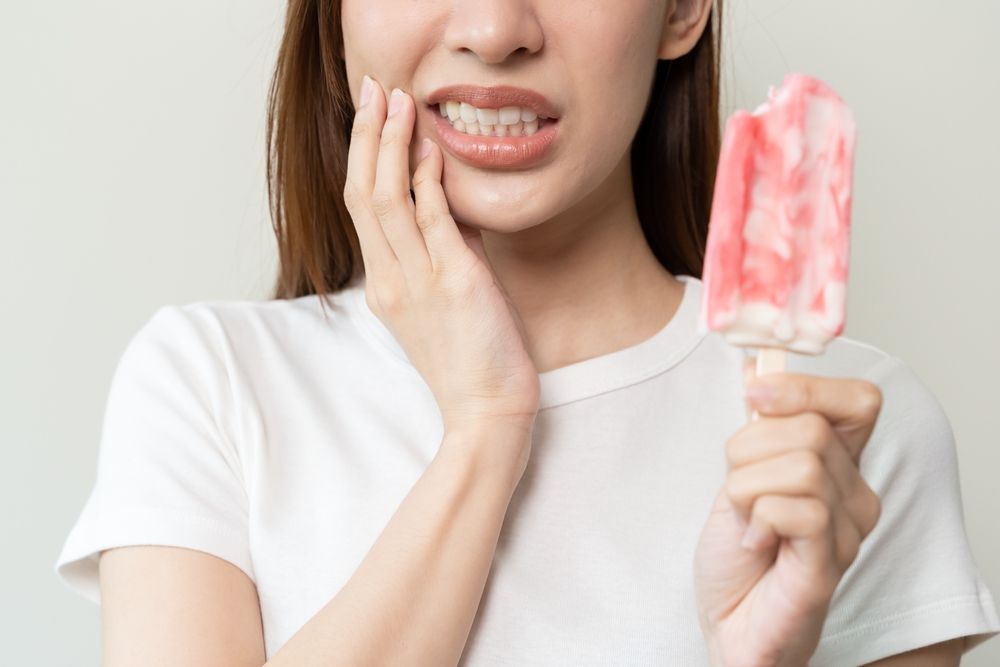
  • Sensitivity to hot, cold, or sweet foods and beverages that lingers after the stimulus is removed
  • An intermittent toothache that comes and goes without an obvious trigger
  • Visible cracks, chips, or missing portions of the tooth
  • Swelling or tenderness in the gum tissue surrounding the affected tooth
  • A rough or jagged surface you can feel with your tongue

Intermittent pain, in particular, is a hallmark of a cracked tooth. If any bite or temperature triggers discomfort that wasn’t there before, it’s worth calling our Berwyn office rather than waiting to see if it resolves on its own.

Woman holding a popsicle while experiencing tooth sensitivity, indicating potential dental issues related to cracked or broken teeth.

What to Do Immediately After Cracking or Breaking a Tooth

Acting quickly and carefully before your appointment can limit further damage and keep the tooth viable for treatment. Here’s what to do:

  1. Rinse gently with warm water to clean the area and clear away any debris or blood.
  2. Save any tooth fragments. If a piece broke off, place it in a small container of milk or saline. Bring it to your appointment — in some cases, fragments can be reattached or used to guide restoration.
  3. Control any bleeding by applying clean gauze or a cloth with gentle pressure for 10 to 15 minutes.
  4. Reduce pain and swelling with a cold compress applied to the outside of your cheek and an over-the-counter pain reliever like ibuprofen. Avoid aspirin if there is active bleeding.
  5. Protect the area by covering sharp edges with dental wax or a small piece of sugar-free gum to prevent cuts to your tongue or inner cheeks.
  6. Eat carefully on the other side of your mouth and stick to soft foods until you’ve been seen.
  7. Call Robles Family Dental at (708) 788-4444 as soon as possible. Time matters when a tooth is cracked or broken.

Emergency Treatment Options for a Cracked or Broken Tooth

The right treatment depends on the type and severity of the fracture, the condition of the surrounding tooth structure, and whether the pulp has been affected. Dr. Robles will evaluate your tooth thoroughly and explain your options before any work begins.

Dental Bonding

For minor chips and craze lines that haven’t reached the dentin, dental bonding is a fast, non-invasive solution. Dr. Robles applies a tooth-colored composite resin directly to the damaged area, sculpts it to match the natural tooth shape, and hardens it with a curing light. The result restores both appearance and function in a single appointment with no need for anesthesia in most cases.
Dental crown illustration demonstrating restorative dentistry procedures for damaged teeth, highlighting the crown's fit over natural teeth in a dental context.Dental Crown

When a crack or fracture is more extensive, but the root remains intact, a dental crown is often the ideal restoration. A custom-made cap covers the entire visible portion of the tooth, protecting it from further damage and restoring full chewing function. Crowns are durable, long-lasting, and closely match the color of your surrounding teeth.

Root Canal Therapy

If the crack has reached the pulp, bacteria can enter and cause infection, leading to severe pain and eventual abscess formation. A root canal removes the infected or compromised pulp tissue, cleans the interior of the tooth, and seals it against future bacterial entry. A crown is then placed over the treated tooth to restore its strength and protect the remaining structure.
Dental professional examining a patient's mouth with dental tools, emphasizing emergency care for cracked or broken teeth.Tooth Extraction

When a fracture is severe enough that the tooth cannot be reliably restored — particularly in cases of vertical root fractures or split teeth — tooth extraction may be the most appropriate path forward. Dr. Robles will discuss tooth replacement options with you, including dental implants and bridges, so you have a clear plan for restoring your smile after the extraction.
How to Prevent a Broken or Cracked Tooth

Many tooth fractures can be avoided with a few protective habits:

  • Wear a custom mouthguard during contact sports or recreational activities where impact to the face is possible. A properly fitted mouthguard from our Berwyn dental office provides far better protection than a store-bought version.
  • Use a nightguard if you grind your teeth. Bruxism places enormous pressure on tooth enamel night after night and is one of the most common causes of cracked teeth that patients don’t see coming. Dr. Robles can fit you with a custom nightguard to protect your teeth while you sleep.
  • Avoid chewing hard objects like ice, hard candy, popcorn kernels, and pen caps, all of which place concentrated stress on tooth structure.
  • Keep up with routine dental visits so Dr. Robles can identify weakened enamel, aging restorations, or developing cracks before they become fractures.
  • Never use your teeth as tools to open packages, bottles, or any other objects. This is one of the most common causes of preventable tooth fractures.

How to Reduce the Risk of Losing a Tooth to Trauma

While not every accident can be avoided, several proactive steps can significantly lower the likelihood of a knocked-out tooth:

  • Wear a custom-fitted mouthguard during any contact sport or high-impact recreational activity. Custom mouthguards fabricated at Robles Family Dental fit securely and provide far superior shock absorption compared to generic store-bought versions.
  • Use appropriate safety gear such as helmets and face shields during activities like cycling, skateboarding, or construction work where facial impact is a realistic risk.
  • Avoid chewing on hard objects like ice, hard candy, and popcorn kernels, which can weaken teeth over time and make them more susceptible to fracture or dislodgment under impact.
  • Keep up with routine dental visits so Dr. Robles can identify and address any factors that might make a tooth more vulnerable to trauma.
  • Save our number. Store (708) 788-4444 in your phone now so you’re not searching for it in a moment of panic.

Frequently Asked Questions

In most cases, a dentist is the right first call for a cracked or broken tooth. Emergency rooms are not equipped to perform restorative dental procedures, so while they can address severe pain or facial trauma, they cannot fix the tooth itself. The exception is if you are experiencing uncontrolled bleeding, extreme swelling that is affecting your airway, or signs of a serious head or jaw injury — in those situations, the ER should be your first stop, followed by a call to our office for follow-up dental care.

No. Unlike bone, tooth structure does not regenerate or self-repair. A crack will not close or heal without professional treatment, and in many cases, it will gradually worsen with the pressure of everyday chewing. Bacteria can also enter through even a hairline crack over time, creating the conditions for an abscess. The sooner a cracked tooth is evaluated and treated, the more conservative and affordable the treatment typically is.

Ideally, you should be seen within 24 to 48 hours of breaking or cracking a tooth. If immediate care isn’t available, protect the area with dental wax, avoid chewing on that side, and stick to soft foods in the meantime. That said, if you are experiencing significant pain, swelling, or signs of infection, treat it as a same-day emergency and call Robles Family Dental right away. Waiting too long can turn a treatable crack into a situation requiring extraction.

Yes, and this is one of the primary reasons prompt treatment matters. A crack that reaches the dentin or pulp creates an opening through which oral bacteria can enter the innermost part of the tooth. Once bacteria reach the pulp, infection follows, often resulting in a painful abscess that requires a root canal or extraction to resolve. Treating the crack early prevents this progression entirely.

Get Same-Day Emergency Care for a Broken Tooth in Berwyn

A cracked or broken tooth is a problem that gets worse, not better, with time. At Robles Family Dental, we make same-day emergency appointments in Berwyn a priority because we understand that waiting is not a realistic option when you’re in pain. We proudly serve patients from our neighboring communities of Cicero, Oak Park, and North Riverside, and our team is ready to help you get comfortable, get answers, and get your smile back.

Call Robles Family Dental today at (708) 788-4444 or visit us at 3253 S Harlem Ave, Suite #1c. The sooner you call, the more options we have to save your tooth.

keyboard_arrow_up