Serving patients in Berwyn, Cicero, Riverside, North Riverside & Lyons
Don’t Wait to Treat a Dental Abscess — Get Help Today
A dental abscess is one of the most painful and potentially serious conditions in dentistry. The intense, throbbing discomfort, the visible swelling, the fever — these symptoms are your body signaling that a bacterial infection is actively progressing and needs professional treatment right away.
At Robles Family Dental, Dr. Kenny Robles provides urgent, compassionate care for patients dealing with dental abscesses throughout the surrounding communities of Cicero, Oak Park, and North Riverside. Call our Berwyn dentists immediately at (708) 788-4444. This is not a situation where waiting is safe.
Research-Backed Dentistry in Your Own Backyard
Before Dr. Robles ever opened a practice in Berwyn, he was conducting research at the National Institute of Dental and Craniofacial Research, working specifically on stem cells in submandibular salivary glands. That kind of background shapes how a dentist thinks, how they approach diagnosis, and how seriously they take the science behind what they recommend. Patients in Berwyn, Oak Park, and North Riverside get access to a dentist whose understanding of oral health goes well past what he learned in a classroom.
What Is a Dental Abscess?
A dental abscess is a localized pocket of pus caused by a bacterial infection that develops inside or around a tooth. It forms when bacteria invade the soft inner tissue of the tooth, known as the pulp, or infiltrate the surrounding gum and bone tissue. Left untreated, the infection does not stay contained. It can spread to the jaw, neck, and in severe cases, the bloodstream, leading to a life-threatening condition called sepsis. Prompt professional treatment is the only way to eliminate a dental abscess safely and completely.
There are three primary types of dental abscesses:
Periapical abscess: Forms at the tip of a tooth’s root, most often as a result of untreated decay or dental trauma that allows bacteria to reach the pulp.
Periodontal abscess: Develops in the gum tissue and supporting bone, typically associated with advanced gum disease or debris trapped in a periodontal pocket.
Gingival abscess: Confined to the surface gum tissue, usually triggered by a foreign object like a food particle or toothbrush bristle that becomes lodged and causes localized infection.
Symptoms of a Dental Abscess
Recognizing the warning signs early gives you the best chance of a straightforward recovery. A dental abscess can cause any combination of the following:
Severe, throbbing tooth pain that may radiate outward to the jaw, ear, or neck
Visible swelling in the face, cheek, or gum tissue near the affected tooth
Redness, pus, or a pimple-like bump on the gums
Fever or chills, which suggest the infection may be spreading beyond the tooth
Persistent bad breath or an unpleasant taste in the mouth that doesn’t go away with brushing
Difficulty chewing, swallowing, or opening your mouth fully
Swollen or tender lymph nodes beneath the jaw or along the neck
If you are experiencing fever, significant facial swelling, or difficulty swallowing or breathing alongside tooth pain, seek emergency dental care immediately. These symptoms can indicate that the infection has moved into surrounding tissue and requires urgent medical attention in addition to dental treatment.
If you’re dealing with any of these symptoms in Berwyn or the surrounding area, call Robles Family Dental at (708) 788-4444 without delay.
What Causes a Dental Abscess?
Abscesses don’t develop overnight. They are almost always the result of an underlying issue that has been progressing over time. Common causes include:
Untreated Tooth Decay
When a cavity is left unaddressed, bacteria gradually work their way through the enamel and dentin until they reach the pulp. Once the pulp is infected, an abscess can form at the root tip.
Gum Disease
Advanced periodontitis creates deep pockets between the teeth and gums where bacteria accumulate and thrive. These pockets can become the site of periodontal abscesses, particularly when debris becomes trapped.
Dental Trauma
A cracked, chipped, or broken tooth that exposes the inner layers of the tooth creates a direct pathway for bacteria to enter. Even a fracture that causes no immediate pain can quietly lead to infection over time.
Compromised Dental Restorations
Fillings or dental crowns that have cracked, leaked, or deteriorated may allow bacteria to re-enter the tooth beneath the restoration, creating the conditions for abscess formation.
Poor Oral Hygiene
Consistent plaque buildup from inadequate brushing and flossing creates the bacterial environment in which decay and gum disease develop, both of which are primary drivers of abscess formation.
What to Do Before Your Emergency Appointment
While you’re waiting to be seen at Robles Family Dental, these steps can help manage discomfort and reduce the risk of the infection worsening:
Rinse with warm saltwater several times throughout the day. Dissolve one teaspoon of salt in a glass of warm water and swish gently. This helps draw out some of the pressure and reduces oral bacteria.
Take an over-the-counter pain reliever such as ibuprofen or acetaminophen following the label’s dosage instructions. Ibuprofen, in particular, can help address both pain and inflammation.
Apply a cold compress to the outside of your cheek for 15 minutes at a time to reduce swelling.
Avoid temperature extremes in food and drink. Stick to lukewarm, soft foods that won’t aggravate the affected area.
Do not attempt to drain the abscess yourself. Squeezing or puncturing the area can push bacteria deeper into surrounding tissue and accelerate the spread of infection.
These measures provide temporary relief only. They do not treat the infection. Professional care is the only path to resolution.
How Dr. Robles Treats a Dental Abscess
Treatment depends on the type and severity of the abscess, the condition of the affected tooth, and how far the infection has progressed. Dr. Robles will evaluate your situation thoroughly and recommend the most appropriate approach.
Draining the Abscess
In most cases, the first step is to make a small incision to drain the accumulated pus, which immediately relieves the pressure and a significant portion of the pain. This is performed under local anesthesia to keep you comfortable throughout the process.
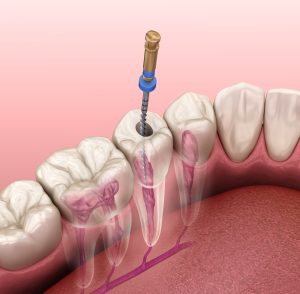
Root Canal Therapy
For a periapical abscess where the infection originates inside the tooth, a root canal is typically the treatment of choice. Dr. Robles removes the infected pulp tissue, cleans and shapes the interior of the tooth, and seals it to prevent reinfection. Root canal therapy saves the natural tooth and eliminates the source of infection at its root, literally and figuratively.
Tooth Extraction
When the tooth has been too severely compromised by infection or structural damage to be saved, tooth extraction becomes necessary. Dr. Robles will discuss your tooth replacement options, including dental implants and bridges, so you can plan for restoring both function and appearance.
Antibiotic Therapy
When the infection shows signs of spreading beyond the immediate area, or when a patient has a weakened immune system, antibiotics are prescribed alongside the primary dental treatment. Antibiotics alone cannot cure an abscess — the physical source of infection must be addressed — but they play an important role in preventing further spread.
Preventing Dental Abscesses
Most abscesses are preventable with consistent care and regular professional oversight. Here’s how to significantly reduce your risk:
Brush twice daily with fluoride toothpaste and a soft-bristled brush, spending at least two minutes per session.
Floss every day to remove plaque and food debris from between teeth and along the gumline where your toothbrush can’t reach.
Visit Robles Family Dental every six months for cleanings and exams so potential problems can be identified and treated before they progress to infection.
Limit sugary and acidic foods and drinks that fuel the bacteria responsible for decay.
Address dental issues promptly. A small cavity treated early never becomes an abscess. A cavity ignored for months very well might.
Wear a mouthguard if you grind your teeth at night or participate in contact sports, reducing the risk of tooth trauma that can eventually lead to pulp infection.

Frequently Asked Questions
A standard toothache may come and go or respond to pain relievers without other accompanying symptoms. A dental abscess typically involves more intense, constant, throbbing pain that is often accompanied by swelling, a visible bump on the gums, fever, or a bad taste in the mouth. These distinguishing features point to active infection rather than simple sensitivity or temporary irritation. If there is any swelling involved, treat it as an emergency and call our office the same day.
No. A dental abscess will not heal without professional intervention. While symptoms may fluctuate, the underlying infection remains active and will continue to cause damage to surrounding bone and tissue. In some cases, a ruptured abscess may temporarily reduce pain, but this does not mean the infection is gone. It means the pus has found a pathway out, and the infection is still present and potentially spreading. Professional treatment is always necessary.
In rare but documented cases, yes. When a dental infection spreads beyond the jaw into the neck or airway, or enters the bloodstream, it can become life-threatening. This is why fever, difficulty swallowing, and significant facial swelling alongside tooth pain should be treated with the same urgency as any medical emergency. If these symptoms are present, go to the nearest emergency room and contact our office to coordinate follow-up dental care.
Dr. Robles will begin with a thorough examination and digital X-rays to assess the extent of the infection and the condition of the tooth. He will explain your treatment options clearly before proceeding and administer local anesthesia to keep you comfortable. Most patients are surprised by how much relief they feel immediately after the abscess is drained. Depending on the treatment needed, the appointment may take anywhere from 45 minutes to a couple of hours, and Dr. Robles will provide clear aftercare instructions before you leave.
Get Emergency Abscess Treatment in Berwyn Today
A dental abscess will not get better on its own, and every hour of delay increases the risk of the infection spreading. At Robles Family Dental, we prioritize same-day appointments for patients dealing with active infections and dental pain. We proudly serve Berwyn and the surrounding communities of Cicero, Oak Park, and North Riverside, and our team is ready to help you find relief and protect your health.
Call Robles Family Dental now at (708) 788-4444. Don’t suffer in silence, waiting for an abscess to get worse. Contact our dentist in Berwyn and get urgent care today!