How to Prevent Dental Emergencies: A Practical Guide
1. Maintain a Consistent Oral Hygiene Routine
Good hygiene is your strongest defense against the decay and gum disease that quietly set the stage for dental emergencies. Cavities left untreated can progress to painful infections, and early-stage gum disease can advance into a condition that causes loose or lost teeth. Building a solid daily routine takes only a few minutes but pays off enormously.
- Brush twice daily using a soft-bristled toothbrush and fluoride toothpaste for at least two minutes each session, covering all surfaces of every tooth.
- Floss every day to remove plaque and food debris from between teeth where your toothbrush simply cannot reach.
- Use an antibacterial mouthwash to reduce bacteria and help strengthen enamel between brushing sessions.
- Replace your toothbrush every three to four months, or sooner if the bristles begin to fray and lose their effectiveness.
2. See Dr. Robles for Routine Checkups
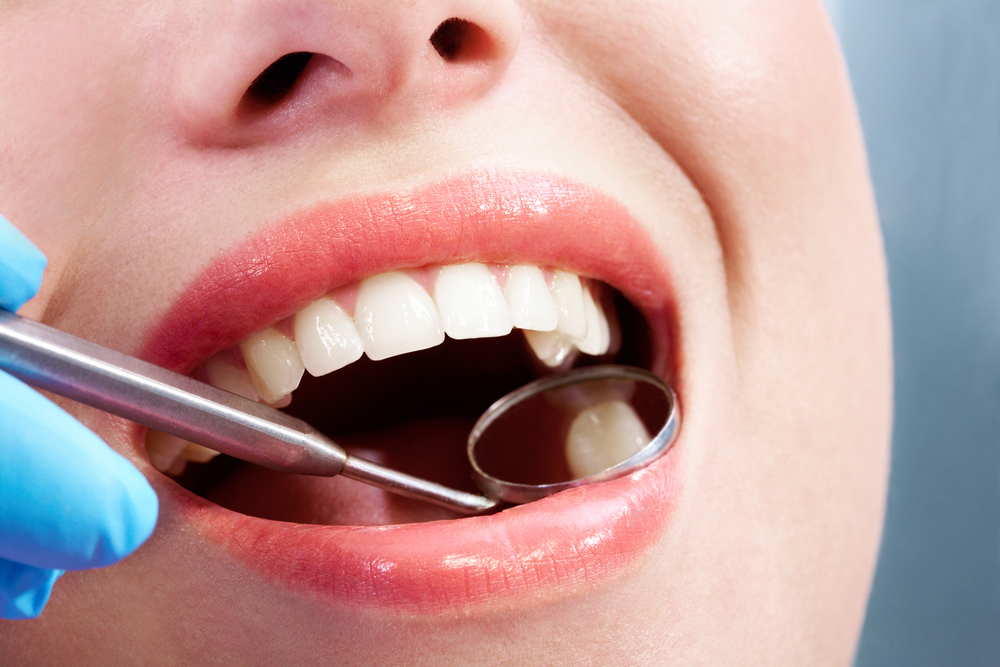
One of the most powerful things you can do for your oral health is show up for your regular appointments. Routine dental checkups allow Dr. Robles to catch small problems before they escalate into genuine emergencies. The American Dental Association recommends visiting your dentist every six months for a cleaning and examination. During these visits, you also benefit from professional-grade tartar removal that no amount of home brushing can replicate.
3. Protect Your Teeth During Sports and Physical Activity
A single blow to the mouth can knock out or fracture a tooth in an instant. If you or your child participates in any contact or recreational sport, protecting your teeth should be non-negotiable.
- Wear a custom-fitted mouthguard during contact sports like football, soccer, hockey, basketball, or martial arts. Custom mouthguards from our Berwyn office offer far superior protection compared to over-the-counter versions.
- Use helmets and face guards where appropriate to reduce the risk of facial trauma.
- Avoid chewing on hard objects like ice, popcorn kernels, pen caps, or fingernails, all of which place excessive stress on teeth and can cause fractures.
4. Be Mindful of Your Diet
What you eat directly affects the strength and health of your teeth. Sugary and acidic foods erode enamel over time, leaving teeth weakened and far more susceptible to cracking or developing deep cavities that can turn into infections.
Foods and drinks to limit:
- Soda, sports drinks, and sugary juices feed harmful oral bacteria
- Sticky candies and dried fruits that cling to tooth surfaces and promote decay
- Acidic foods like citrus fruits and tomatoes, which wear down enamel with frequent exposure
Foods that support strong teeth:
- Calcium-rich foods like dairy products, leafy greens, and almonds that reinforce tooth structure
- Crunchy vegetables like carrots and celery that naturally stimulate saliva production and help clean teeth
- Water, especially fluoridated water, which rinses away food particles and helps neutralize acids after meals
5. Address Minor Dental Issues Before They Become Major Ones
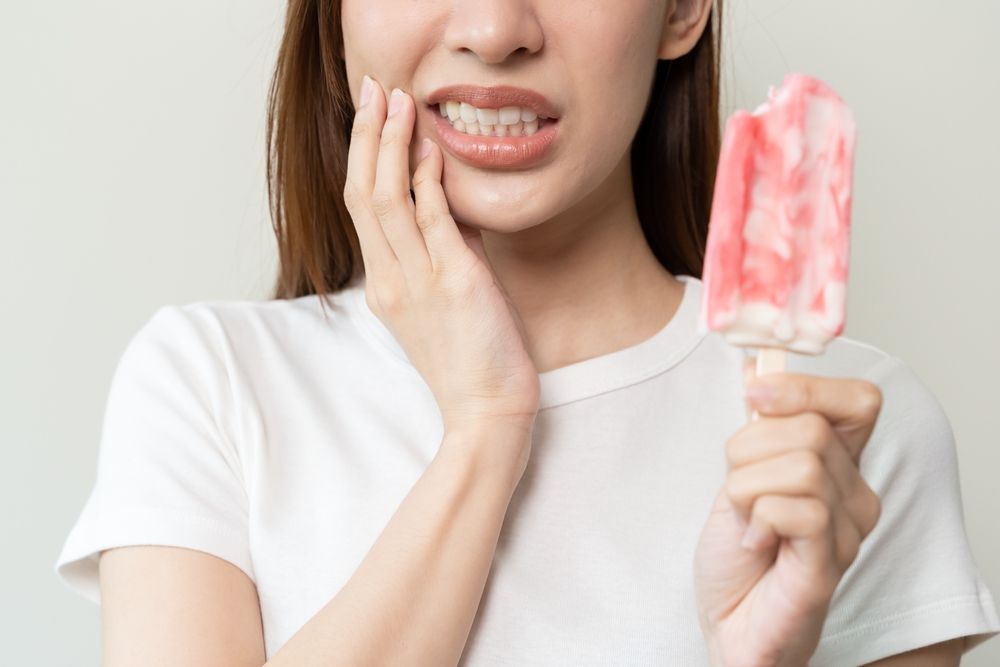
It’s easy to dismiss a little tooth sensitivity or mild gum irritation as something that will pass on its own. Sometimes it does. More often, these are early warning signs of a developing problem. A small cavity that goes untreated can deepen into a root canal situation. Mild gum inflammation can progress into an abscess. Catching and treating issues early is almost always faster, less invasive, and less expensive than waiting until the problem becomes urgent.
Signs that warrant a prompt dental visit:
- Persistent or worsening tooth sensitivity or pain
- Swollen, bleeding, or receding gums
- A loose or shifting tooth
- A visible chip, crack, or worn area on a tooth
- Any bump or sore on the gums that doesn’t resolve within a week or two
6. Break Habits That Put Your Teeth at Risk
Some of the most common contributors to dental emergencies are everyday habits people don’t think twice about. Being aware of them and making small changes can have a real impact on your oral health over time.
- Teeth grinding (bruxism) places enormous pressure on teeth during sleep, wearing down enamel and increasing the risk of fractures. If you grind your teeth, Dr. Robles can fit you with a custom nightguard to protect them while you sleep.
- Using your teeth as tools to open packages, bottles, or tags is one of the fastest ways to chip or crack a tooth.
- Nail-biting chips enamel and introduces bacteria into the mouth.
- Tobacco use raises the risk of gum disease, oral infections, and delayed healing after dental procedures, all of which can contribute to more frequent and serious dental problems.