Knocked-Out Tooth Emergency in Berwyn, IL

Serving patients in Berwyn, Cicero, Riverside, North Riverside & Lyons

A Knocked-Out Tooth Is a Race Against the Clock

Few dental situations are as urgent as a knocked-out tooth. Whether it happened during a sports collision, an accidental fall, or an unexpected impact, the window for saving the tooth is narrow — roughly 30 to 60 minutes from the moment of injury. Every minute that passes without proper action reduces the chances of successful reimplantation.

At Robles Family Dental, Dr. Kenny Robles is ready to provide fast, focused emergency care for patients throughout Berwyn and the surrounding communities of Cicero, Oak Park, and North Riverside. If your tooth has been knocked out, call us right now at (708) 788-4444 and head to our dental office in Berwyn immediately.

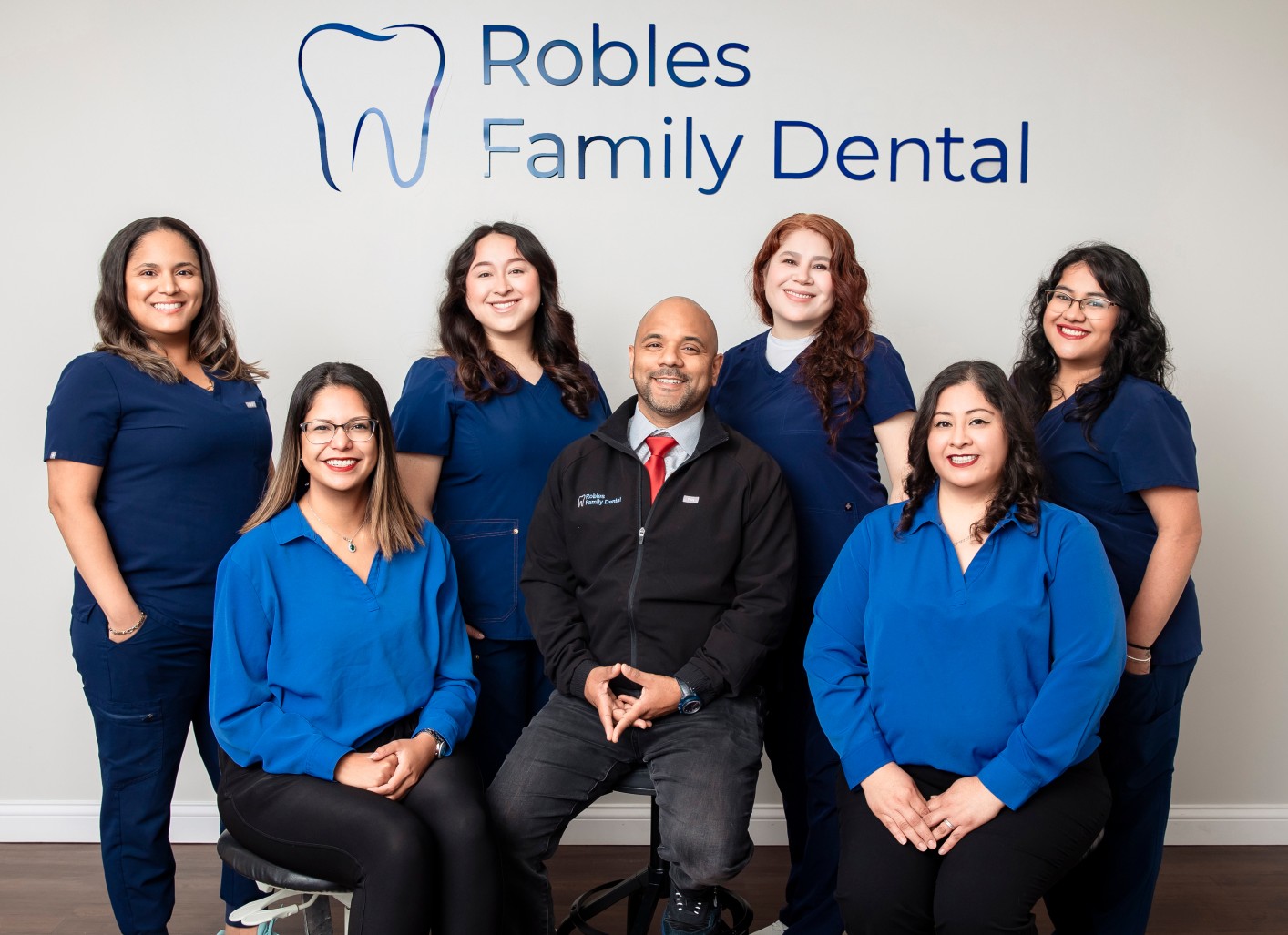
Robles Family Dental team, featuring Dr. Kenny Robles, providing emergency dental care in Berwyn, with staff in blue scrubs and a dental logo backdrop.

A Berwyn Dentist Who Understands Where You Come From

Dr. Kenny Robles was born and raised in Cuba and came to the United States mid-dental school, finishing his education at UCLA and then USC’s Herman Ostrow School of Dentistry. That path gave him something most dentists don’t have: a firsthand understanding of what it means to navigate a new country, a new language, and a healthcare system that can feel overwhelming. For Spanish-speaking patients in Berwyn, Cicero, Riverside, and the surrounding communities, Dr. Robles offers emergency dental care in English and Spanish, and an approach rooted in genuine cultural familiarity, not just translation.

What Is a Knocked-Out Tooth?

A knocked-out tooth, clinically referred to as an avulsed tooth, occurs when a tooth is completely dislodged from its socket as a result of trauma. It is one of the most time-sensitive dental emergencies that exists because the cells on the root surface begin to deteriorate rapidly once the tooth is separated from its blood supply. The tooth may come out fully intact or partially fractured, depending on the nature of the impact. In either case, how you handle the tooth in the minutes immediately following the injury plays a direct role in whether it can be saved.

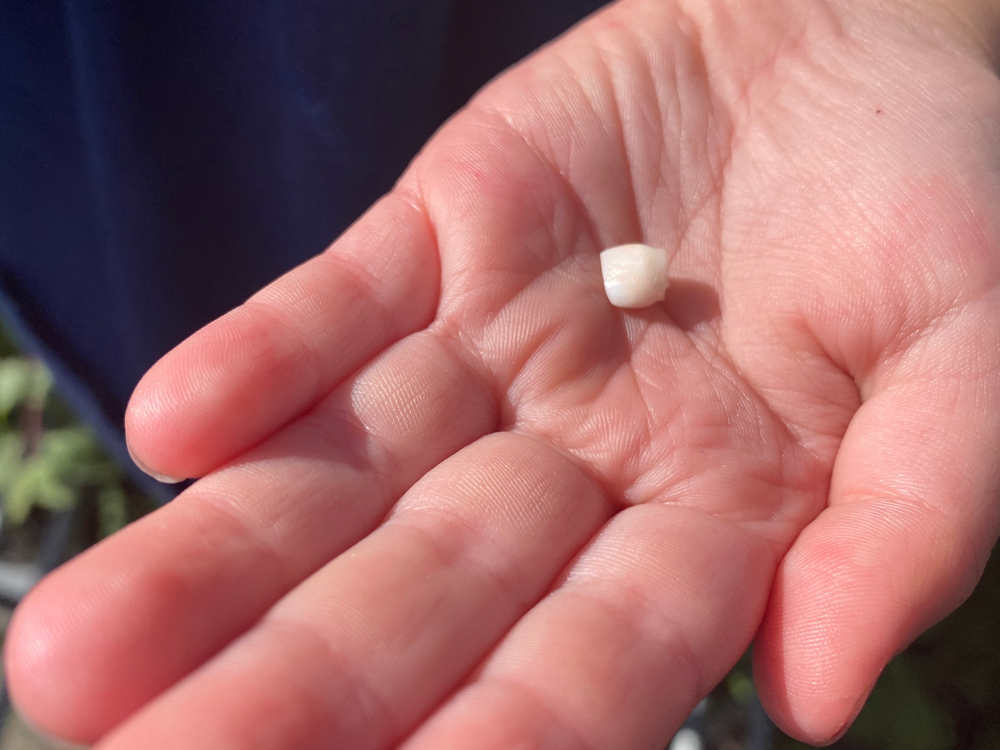
A person holding an avulsed tooth in their palm, illustrating the importance of immediate care after a knocked-out tooth.

What to Do Immediately After a Tooth Is Knocked Out

The steps you take in the first few minutes after a tooth is knocked out matter enormously. Stay as calm as possible and follow this sequence:

Common Causes of Knocked-Out Teeth

A knocked-out tooth can happen to anyone at any age. The most frequent causes include:

  • Sports injuries: Contact and collision sports like football, basketball, hockey, soccer, and martial arts account for a large share of avulsed teeth each year. A single unexpected impact can dislodge a tooth completely.
  • Accidental falls: Tripping, slipping, or falling and hitting the mouth on a hard surface is a common cause, particularly in young children and older adults.
  • Vehicle accidents: Car, bike, and motorcycle accidents can cause significant facial trauma, including tooth loss.
  • Physical altercations: A blow to the mouth is one of the most direct causes of tooth avulsion.
  • Biting unexpectedly hard objects: Biting down on something much harder than anticipated can occasionally dislodge a tooth, especially one that has been weakened by decay or an existing crack.
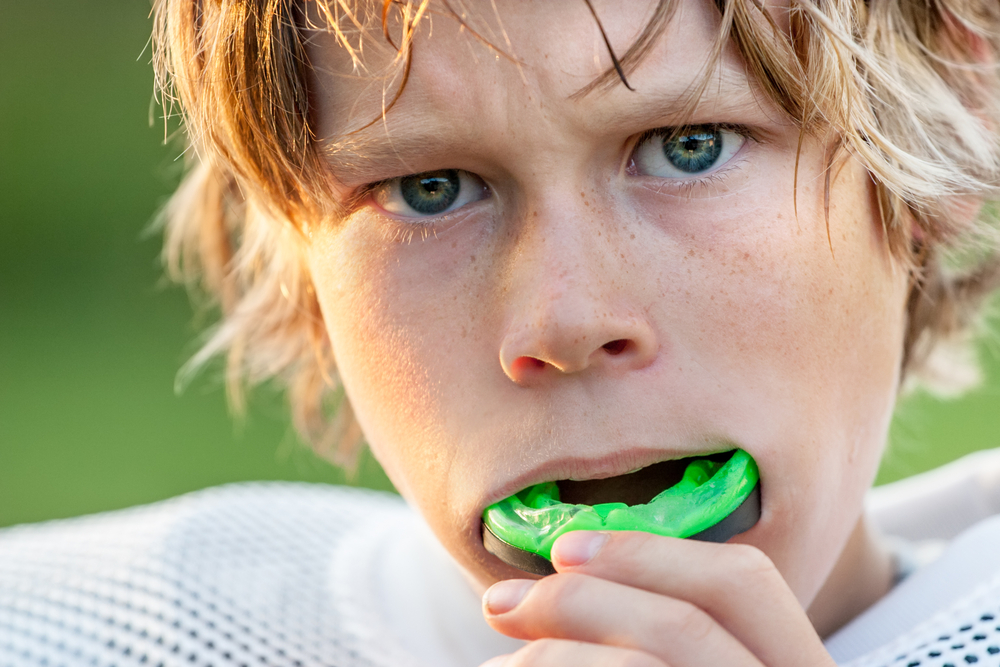
Boy wearing a green mouthguard, preparing for contact sports, emphasizing dental safety and prevention of tooth avulsion.

What to Expect During Your Emergency Visit at Robles Family Dental

When you arrive at our Berwyn office with a knocked-out tooth, Dr. Robles and his team move quickly and deliberately. Here is what the process typically looks like:

Immediate Assessment

Dr. Robles evaluates the tooth and the socket using digital X-rays to check for fractures in the surrounding bone, damage to neighboring teeth, and any other injuries that need to be addressed.

Cleaning and Preparation

Both the tooth and the socket are carefully cleaned to remove debris and bacteria before reimplantation is attempted.

Reimplantation and Stabilization

If the tooth is viable, Dr. Robles gently reinserts it into the socket and stabilizes it with a splint — a temporary brace that connects the reimplanted tooth to the adjacent teeth to hold it in position while the surrounding tissue heals. The splint is typically worn for one to two weeks.

Pain Management and Antibiotics

Depending on your situation, Dr. Robles may prescribe antibiotics to reduce the risk of infection and recommend appropriate pain management during the healing period.

Root Canal Follow-Up

In most cases, a reimplanted tooth will require root canal therapy approximately one to two weeks after reimplantation. This step removes the pulp tissue, which loses viability once the tooth’s blood supply is severed, and seals the tooth against future infection. It is a routine and necessary part of ensuring the long-term success of the reimplanted tooth.
What if the Tooth Cannot Be Saved?

Even with quick action and ideal preservation, not every knocked-out tooth can be successfully reimplanted. Factors like the length of time the tooth was outside the socket, the storage medium used, and the condition of the socket all influence the outcome. If reimplantation is not viable, Dr. Robles will discuss your tooth replacement options thoroughly so you can move forward with confidence. These include:

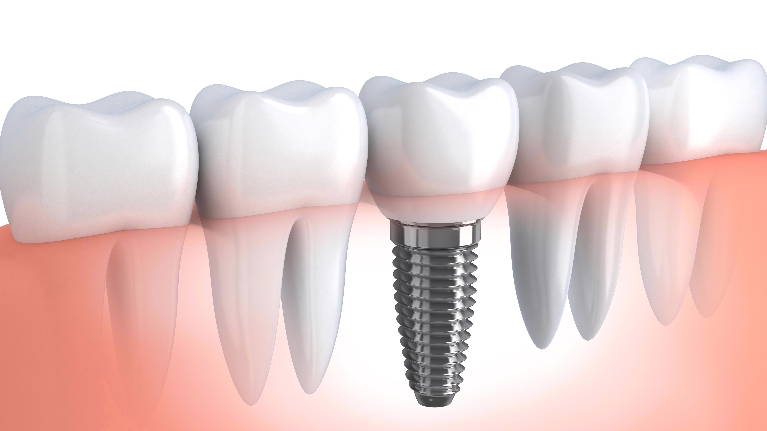
  • Dental implants: A titanium post is placed into the jawbone that functions and looks like a natural tooth. Implants are widely considered the gold standard for replacing a missing tooth.
  • Dental bridges: A fixed restoration that uses the neighboring teeth as anchors to support an artificial tooth in the gap.
  • Partial dentures: A removable option that replaces one or more missing teeth and can be a more affordable starting point for some patients.
Single dental implant with adjacent natural teeth, illustrating tooth replacement options at Robles Family Dental.

How to Reduce the Risk of Losing a Tooth to Trauma

While not every accident can be avoided, several proactive steps can significantly lower the likelihood of a knocked-out tooth:

  • Wear a custom-fitted mouthguard during any contact sport or high-impact recreational activity. Custom mouthguards fabricated at Robles Family Dental fit securely and provide far superior shock absorption compared to generic store-bought versions.
  • Use appropriate safety gear such as helmets and face shields during activities like cycling, skateboarding, or construction work where facial impact is a realistic risk.
  • Avoid chewing on hard objects like ice, hard candy, and popcorn kernels, which can weaken teeth over time and make them more susceptible to fracture or dislodgment under impact.
  • Keep up with routine dental visits so Dr. Robles can identify and address any factors that might make a tooth more vulnerable to trauma.
  • Save our number. Store (708) 788-4444 in your phone now so you’re not searching for it in a moment of panic.

Frequently Asked Questions

Not always, but the odds are strongly in your favor when you act quickly and handle the tooth correctly. A tooth reimplanted within 30 minutes has a success rate that can reach as high as 90%, while that rate drops significantly the longer the tooth remains outside the socket. Proper storage in milk or saliva during transport preserves the root cells and improves outcomes meaningfully. Calling ahead so we can prepare for your arrival also helps us move as efficiently as possible when you get here.

The answer depends on whether the tooth is a baby tooth or a permanent one. Baby teeth are generally not reimplanted because the procedure carries a risk of damaging the developing permanent tooth underneath.

If a child’s permanent tooth is knocked out, the same urgent timeline applies as for adults. Find the tooth, store it properly, and get to our Berwyn office within 30 to 60 minutes. When in doubt, call us immediately, and we’ll guide you through what to do based on your child’s specific situation.

An emergency room can address severe trauma, uncontrolled bleeding, or head and neck injuries that accompany the dental incident, but ER physicians are not equipped to reimplant teeth or perform dental procedures. For the tooth itself, a dentist is always the right call. If significant facial trauma is present alongside the knocked-out tooth, the ER and our office may both be part of your care.

Water is actually harmful to the periodontal ligament cells on the root surface because it causes them to swell and rupture through a process called osmosis. This cell death dramatically reduces the likelihood that the tooth can be successfully reimplanted. Milk is the preferred storage medium because its chemical composition closely matches the environment those cells need to stay viable. A tooth preservation kit, saliva, or saline solution is an acceptable alternative when milk is not available.

Act Now — Same-Day Emergency Care in Berwyn

A knocked-out tooth is one of the few dental emergencies where every single minute genuinely matters. At Robles Family Dental, we prioritize urgent cases and will do everything possible to see you the moment you arrive. We serve patients from Berwyn and the neighboring communities of Cicero, Oak Park, and North Riverside, and we’re committed to giving you the best possible chance of walking out with your natural tooth restored.

Call Robles Family Dental right now at (708) 788-4444 or come directly to our Berwyn dental office at 3253 S Harlem Ave, Suite #1c.

keyboard_arrow_up