Bone Grafting in Berwyn, IL

Serving patients in Berwyn, Cicero, Riverside, North Riverside & Lyons

Rebuild Your Jawbone for Stronger, Healthier Teeth

Bone grafting is a dental procedure that restores lost jawbone, creating a solid foundation for dental implants or preventing further bone loss after tooth extraction. Whether you’ve experienced bone deterioration from gum disease, tooth loss, or trauma, bone grafting can help rebuild your jaw structure and support your oral health.

At Robles Family Dental, Dr. Kenny Alejandro Robles provides bone grafting procedures or refers patients to trusted specialists when complex cases require advanced surgical facilities. Our bilingual dental team in Berwyn serves patients from Cicero, Riverside, and Lyons. Call (708) 788-4444 to schedule your consultation today.

Benefit From Dr. Robles’ Experience Treating Complex Cases

Dr. Robles’ advanced training includes experience treating medically compromised patients at the AIDS Healthcare Foundation dental clinic in Los Angeles. This specialized background means he can safely plan bone grafting procedures for patients with complex medical histories, including those with diabetes, heart conditions, autoimmune disorders, and other health concerns. Dr. Robles’ Master’s degree in Orofacial Pain and TMJ Disorders provides additional expertise in managing jawbone issues and ensuring optimal healing outcomes for bone grafting patients.

What Is Bone Grafting?

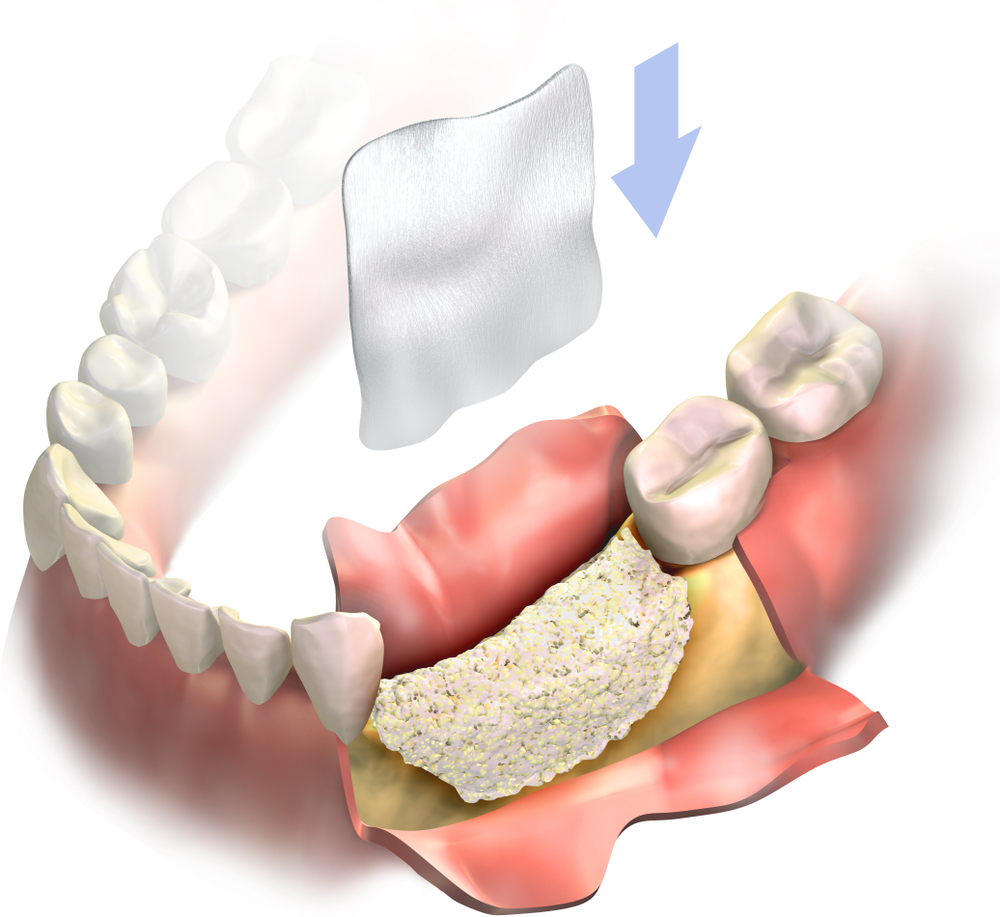
Bone grafting is a surgical procedure that adds bone material to your jaw where bone has been lost or needs strengthening. The graft material can come from your own body, a donor, an animal source, or synthetic materials. Over time, your body replaces the graft material with your own bone, creating a strong, stable foundation.

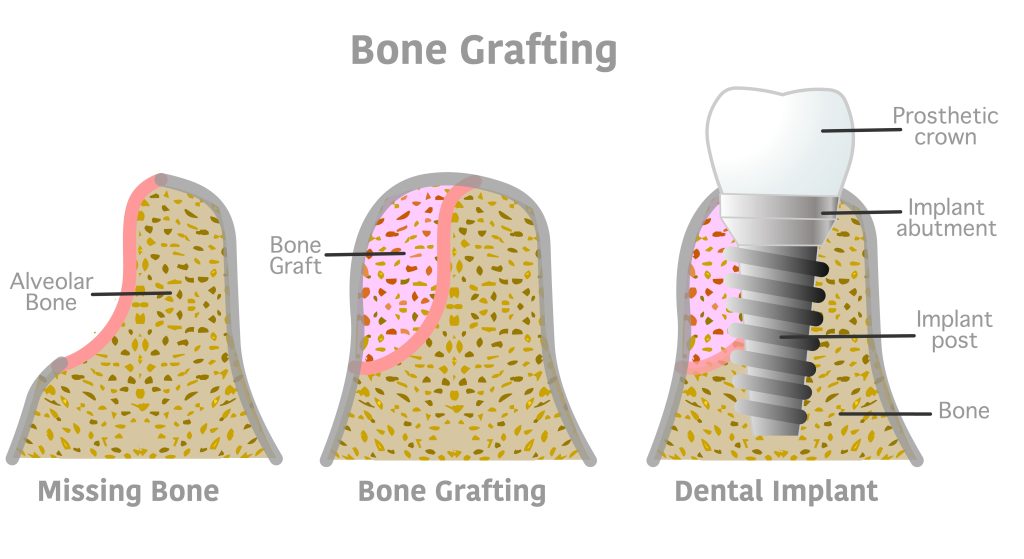
Bone grafting serves several purposes in dental care. It prepares the jaw for dental implants by building sufficient bone mass to support the implant post. It preserves bone after tooth extraction, preventing the rapid bone loss that typically follows. It restores bone lost to periodontal disease, trauma, or long-term tooth absence. It can also correct jaw defects present since birth or caused by injury.

bone grafting

Why Bone Loss Occurs

Understanding why bone loss happens helps you recognize when bone grafting might be necessary:

  • Tooth Loss: Without stimulation, the bone gradually deteriorates, losing up to 25% of its volume in the first year alone, according to the American Academy of Implant Dentistry.
  • Periodontal Disease: Advanced gum disease destroys the bone supporting your teeth. As infection spreads beneath the gumline, it eats away at bone tissue, weakening the foundation that holds teeth in place.
  • Trauma: Facial injuries can fracture or damage the jawbone, and if the injured area lacks teeth, bone loss accelerates.
  • Dentures: Traditional dentures don’t prevent bone loss because they sit on top of the gums without stimulating the underlying bone. Over years of denture wear, significant bone deterioration can occur.
  • Infections: Severe dental infections can spread to bone tissue, causing damage that requires grafting to repair.

Types of Bone Grafts

Several types of bone grafting materials and techniques are available:

  • Autografts: Bone taken from another area of your body, typically the chin, jaw, or hip. This is considered the gold standard because it uses your own bone, which integrates best and carries no risk of rejection.
  • Allografts: Bone from a human donor, processed and sterilized for safe use. This eliminates the need for a second surgical site to harvest bone.
  • Xenografts: Bone from an animal source, usually bovine (cow). This material is processed to remove all organic components, leaving only the mineral structure that your body can use as a scaffold.
  • Alloplastic Grafts: Synthetic materials made from calcium phosphate or other biocompatible substances. These man-made options eliminate concerns about disease transmission.

Dr. Robles will recommend the most appropriate graft material based on your specific needs, medical history, and the extent of bone loss.

The Bone Grafting Procedure

Here’s what to expect during bone grafting:

  1. Consultation and Planning: Dr. Robles examines your jaw using X-rays or CT scans to assess bone loss and plan the grafting procedure.
  2. Anesthesia: Local anesthesia numbs the treatment area. Sedation options are available for anxious patients.
  3. Accessing the Bone: A small incision in your gum tissue exposes the jawbone where grafting is needed.
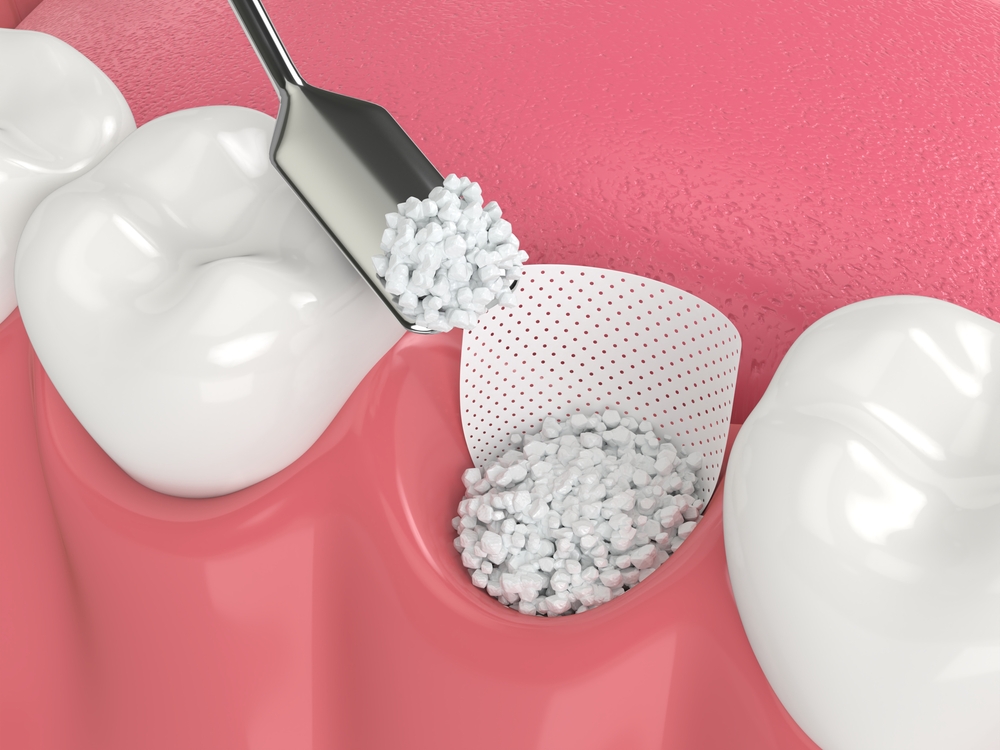
  4. Placing the Graft: The bone graft material is carefully positioned in the treatment area. It may be secured with a membrane, special screws, or both to hold it in place.
  5. Closing the Site: The gum tissue is sutured closed over the graft, protecting it during healing.
  6. Healing Period: Over the next several months, your body gradually replaces the graft material with your own bone growth through a process called osseointegration.

The procedure typically takes one to two hours, depending on the size and location of the graft. For more complex bone grafting cases that require specialized surgical facilities, Dr. Robles will refer you to a trusted oral surgeon or periodontist while continuing to coordinate your overall dental care.

bone grafting procedure

Recovery After Bone Grafting

Recovery from bone grafting requires patience and proper care:

  • First Few Days: Swelling and mild discomfort are normal. Ice packs, prescribed pain medication, and rest help manage these symptoms.
  • Diet: Stick to soft foods for at least a week. Avoid chewing near the graft site. Cold foods like smoothies, yogurt, and ice cream can be soothing.
  • Oral Hygiene: Gentle rinsing with salt water keeps the area clean without disturbing the graft. Avoid brushing directly on the surgical site for the first week.
  • Activity: Avoid strenuous exercise for several days to prevent bleeding and swelling.
  • Healing Timeline: Initial healing takes one to two weeks, but complete bone integration requires three to six months before dental implants can be placed.

Dr. Robles monitors your healing through follow-up appointments, checking that the graft is integrating properly.

Benefits of Bone Grafting

Bone grafting provides numerous advantages:

  • Supports Dental Implants: Bone grafting for dental implants creates the foundation needed to support permanent tooth replacements.
  • Prevents Further Bone Loss: After tooth extraction, immediate bone grafting preserves jaw structure and prevents the deterioration that would otherwise occur.
  • Improves Facial Structure: Significant bone loss can cause a sunken, aged appearance. Restoring bone volume maintains facial contours and a youthful look.
  • Strengthens Remaining Teeth: Bone grafting can stabilize teeth weakened by periodontal disease, helping you keep your natural teeth longer.
  • Supports Oral Function: A strong jawbone supports proper chewing, speaking, and overall oral function.
  • Long-Term Solution: Once the graft integrates, it becomes permanent living bone that will last a lifetime with proper care.
bone grafting for dental implants

Who Needs Bone Grafting?

You may need bone grafting if you:

  • Plan to get dental implants, but lack sufficient bone density
  • Have experienced bone loss from periodontal disease
  • Are having a tooth extracted and want to preserve bone for future implant placement
  • Have worn dentures for many years and experienced significant bone deterioration
  • Suffered trauma that damaged the jawbone
  • Have congenital jaw defects requiring correction

Dr. Robles evaluates your specific situation to determine if bone grafting is necessary and which approach will work best.

Bone Grafting Success Rates

Bone grafting has high success rates when performed by experienced dentists. Studies, such as those published in Bioinformation, show success rates of 90% or higher for most bone grafting procedures. Several factors influence success:

  • Patient Health: Non-smokers and patients without uncontrolled diabetes or immune disorders have better outcomes.
  • Graft Type and Location: Some graft materials and jaw locations integrate more predictably than others.
  • Post-Operative Care: Following recovery instructions carefully improves healing and integration.
  • Infection Prevention: Proper sterile technique and post-operative antibiotics when needed prevent complications.

Dr. Robles’s experience and attention to detail maximize your chances of successful bone grafting.

Costs of Bone Grafting

Bone grafting costs vary based on the size of the graft, the type of material used, and whether additional procedures are needed. Minor grafts may cost $300 to $800, while more extensive grafting can range from $2,000 to $3,000 or more. Many dental insurance plans cover bone grafting when it’s medically necessary, particularly when related to implant placement or tooth extraction.

Robles Family Dental provides detailed cost estimates during your consultation and works with you to explore payment options and insurance coverage.

Frequently Asked Questions

The procedure itself is not painful because local anesthesia numbs the area completely. After the anesthesia wears off, you may experience soreness and swelling for a few days, which can be managed with prescribed or over-the-counter pain medication. Most patients report that discomfort is mild and manageable.

Initial healing takes about two weeks, during which the surgical site closes and early integration begins. However, complete bone maturation and integration take three to six months. During this time, the graft material is gradually replaced by your own living bone. Only after this process is complete can dental implants be placed.

True rejection is extremely rare, especially with processed donor bone or synthetic materials that don’t contain cells that trigger immune responses. Graft failure can occur if infection develops or if the graft doesn’t integrate properly, but this is uncommon when proper surgical techniques and post-operative care are followed.

Smoking significantly reduces bone graft success rates by restricting blood flow and impairing healing. Dentists strongly recommend avoiding smoking for at least two weeks before and several months after bone grafting. Patients who continue smoking have much higher failure rates.

Rebuild Your Jawbone with Dental Bone Grafting Near Chicago

If you’re facing bone loss or preparing for dental implants, bone grafting can restore your jaw’s strength and functionality. Dr. Robles brings specialized training and compassionate care to every bone grafting procedure in Berwyn, providing in-office treatment when appropriate or connecting you with trusted specialists for complex cases. We welcome new patients from Cicero, Riverside, and Lyons to achieve optimal oral health outcomes.

Don’t let bone loss limit your options for tooth replacement or compromise your oral health. Call Robles Family Dental at (708) 788-4444 to schedule your bone grafting consultation today. Let’s work together to rebuild a strong foundation for your smile!

keyboard_arrow_up