How Dr. Robles Diagnoses Your Need for Deep Cleaning
During your comprehensive examination at our Berwyn dental practice, Dr. Robles uses several diagnostic tools to assess gum health:
- Periodontal probing measures pocket depths around each tooth. A thin probe gently slides between tooth and gum tissue. Healthy pockets measure 1 to 3 millimeters deep. Depths of 4 millimeters or greater signal gum disease requiring treatment.
- Digital X-rays reveal bone loss patterns invisible during visual examination. These images show how far the infection has progressed and help Dr. Robles plan your treatment approach.
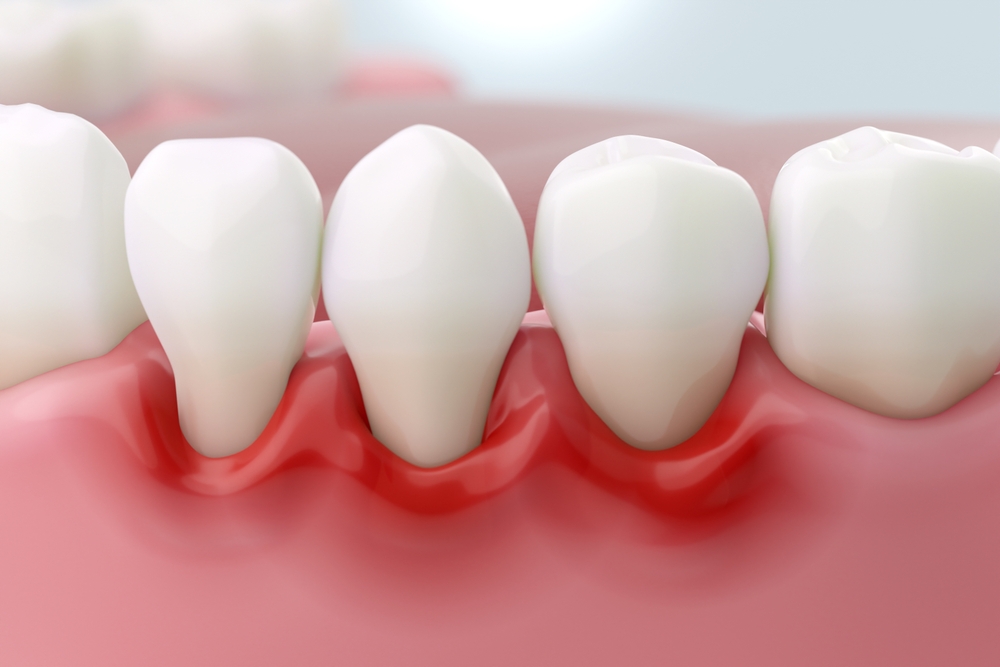
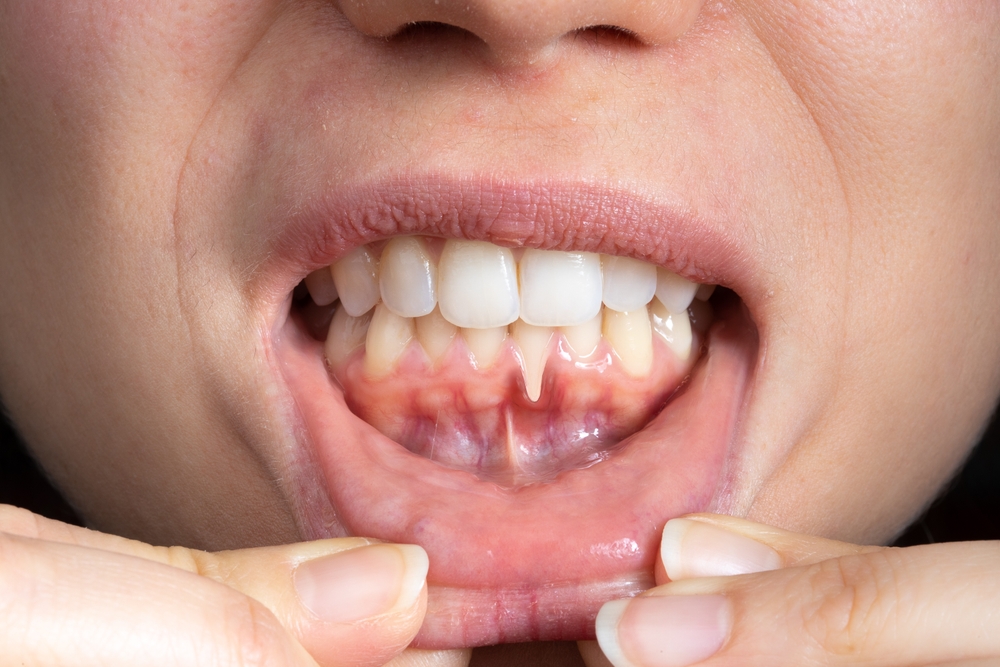
- Visual assessment identifies inflammation signs like redness, swelling, gum recession, and bleeding. Your dentist also reviews your symptoms, including bad breath, loose teeth, or changes in bite alignment.
- Medical history review helps Dr. Robles understand risk factors. Smoking, diabetes, certain medications, and genetic predisposition all increase gum disease susceptibility.
Based on these findings, Dr. Robles determines whether you need deep cleaning or if standard maintenance cleanings suffice. He explains his recommendations thoroughly, answering all your questions before proceeding.
The Scaling and Root Planing Procedure: What to Expect
Initial Consultation and Treatment Planning
Your first visit includes a complete periodontal evaluation. Dr. Robles examines your gums, measures pocket depths, and reviews any necessary X-rays. He explains how gum disease has affected your oral health and outlines the treatment process. You’ll receive a clear breakdown of costs, insurance coverage, and payment options.
Comfort and Anesthesia Options
Local anesthetic ensures your comfort throughout the procedure. Dr. Robles numbs the treatment area so you feel no pain during cleaning. For patients with dental anxiety, sedation options create a relaxed, stress-free experience. Our team prioritizes your comfort at every step.
Scaling: Removing Tartar and Bacteria
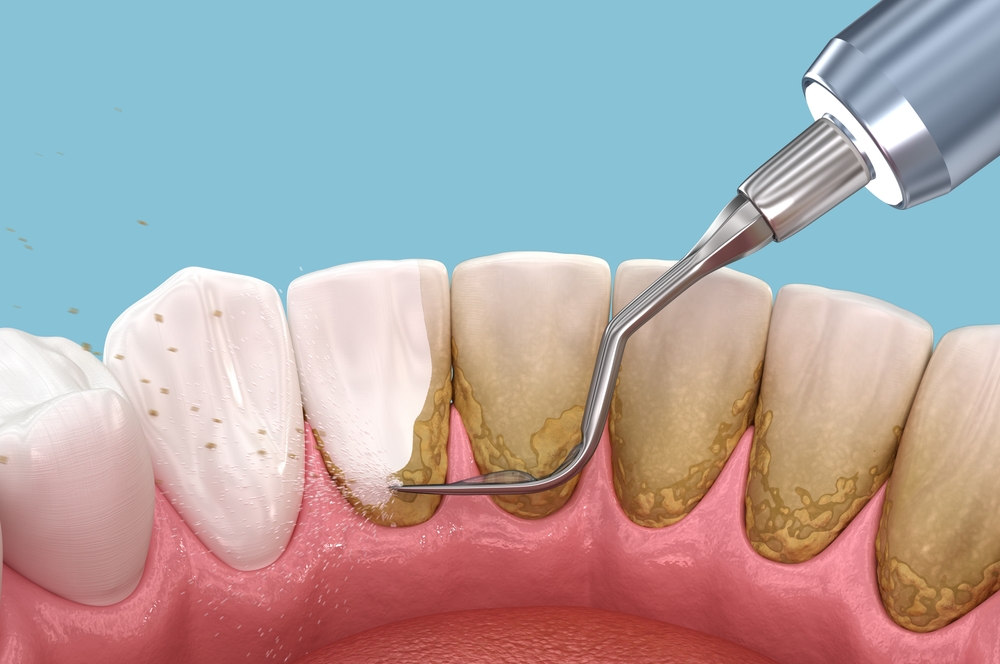
The hygienist or Dr. Robles carefully removes plaque and tartar from tooth surfaces, including deposits hidden deep below the gumline. They may use manual scaling instruments, ultrasonic scalers, or both. Ultrasonic devices use gentle vibrations and water spray to break up stubborn tartar efficiently. This phase typically requires methodical attention to each tooth section.
Root Planing: Smoothing Tooth Roots
After scaling removes deposits, root planing smooths the tooth root surfaces. This eliminates rough spots and bacterial toxins embedded in root cementum. Smooth roots allow gum tissue to heal and reattach properly, shrinking pocket depths over time. The smoother surface also makes future plaque accumulation less likely.
Treatment Duration and Scheduling
Most deep cleaning procedures take one to two hours per appointment. Depending on disease severity and your comfort level, Dr. Robles may treat your entire mouth in one visit or divide treatment into multiple appointments (treating one quadrant at a time). Spreading treatment across several visits allows adequate healing time and reduces appointment fatigue.