Frequently Asked Questions
What are the reasons for tooth extractions?
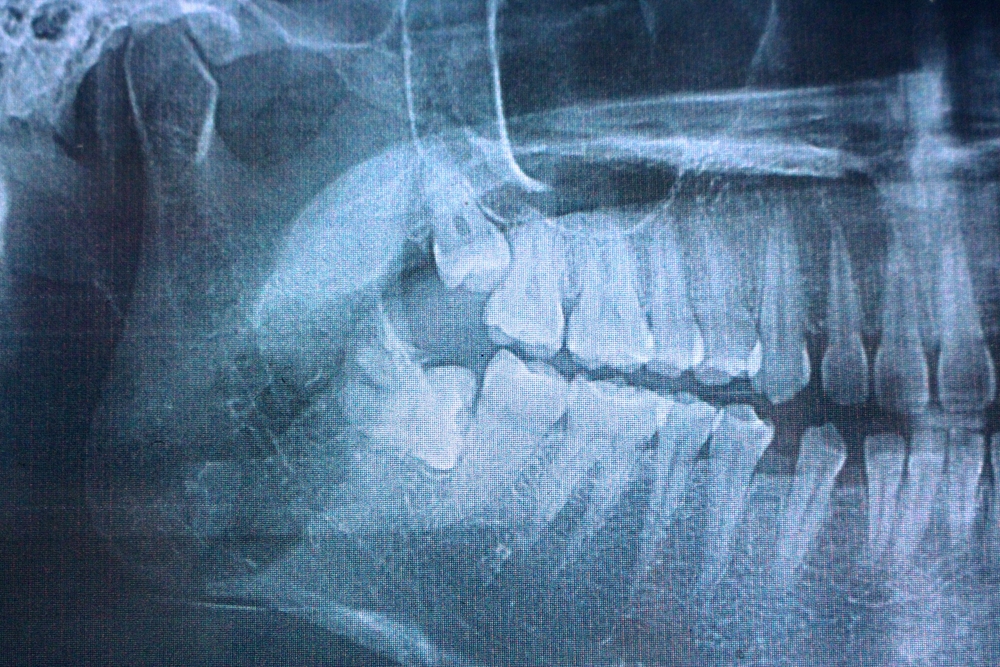
The reasons for tooth extractions include severe decay, infection, overcrowding, or damage from trauma. In some cases, extractions are necessary to prepare for orthodontic treatment or to remove impacted wisdom teeth.
What can I expect during a tooth extraction?
During a tooth extraction, you can expect a thorough examination, administration of anesthesia for pain management, and the careful removal of the tooth by our experienced dental team, ensuring your comfort throughout the process.
What are the aftercare instructions following a tooth extraction?
The aftercare instructions following a tooth extraction include biting gently on a gauze pad for 30-45 minutes to control bleeding, avoiding strenuous activities, and refraining from sucking through straws. Additionally, maintain a soft diet and follow any prescribed pain management regimen.
How can I find a dentist near me for tooth extractions?
Finding a dentist near you for tooth extractions can be done by searching online for local dental practices, checking reviews, and asking for recommendations from friends or family. You can also visit websites like Robles Family Dental for more information.
What types of tooth extractions are available?
The types of tooth extractions available include simple extractions, which are performed on visible teeth, and surgical extractions, used for teeth that are broken or impacted.
How long does a tooth extraction take?
The duration of a tooth extraction typically ranges from 20 to 40 minutes, depending on the complexity of the procedure and the specific tooth being extracted.
What are the risks of tooth extractions?
The risks of tooth extractions include infection, excessive bleeding, damage to surrounding teeth or nerves, and delayed healing. It's important to discuss these risks with your dentist to ensure proper care and minimize complications.
Can I eat before a tooth extraction?
Eating before a tooth extraction is generally not recommended. It’s best to avoid food for at least 6 hours prior to the procedure to minimize the risk of complications during anesthesia.
What anesthesia options are offered for extractions?
The anesthesia options offered for extractions include local anesthesia to numb the specific area and sedation anesthesia for patients who may require additional comfort during the procedure.
How should I prepare for a tooth extraction?
Preparing for a tooth extraction involves several important steps. Ensure you have a responsible adult to accompany you, follow any pre-operative instructions given by your dentist, and avoid eating or drinking for a specified time before the procedure.
What should I avoid after a tooth extraction?
After a tooth extraction, you should avoid strenuous activities, hot foods and drinks, tobacco, and using straws to promote proper healing and prevent complications.
How painful is a tooth extraction procedure?
The pain level during a tooth extraction procedure varies, but local anesthesia is used to minimize discomfort. Most patients experience only mild pressure, and any post-operative pain can typically be managed with prescribed medications.
When should I contact my dentist after extraction?
The circumstances under which you should contact your dentist after extraction include experiencing severe pain, excessive bleeding, or signs of infection such as fever or swelling. If you have any concerns, it's best to reach out for guidance.
What are the signs of infection post-extraction?
The signs of infection post-extraction include increased pain, swelling, redness around the extraction site, pus or discharge, and fever. If you experience these symptoms, it's essential to contact Robles Family Dental for prompt evaluation and care.
How can I manage pain after a tooth extraction?
Managing pain after a tooth extraction involves using prescribed pain relievers, applying ice packs to reduce swelling, and following post-operative care instructions. Staying hydrated and eating soft foods can also aid in comfort during recovery.
What are the costs associated with tooth extractions?
The costs associated with tooth extractions vary based on factors such as the complexity of the extraction and whether anesthesia is required. For an accurate estimate, it's best to consult Robles Family Dental directly.
Are there alternatives to tooth extractions?
Alternatives to tooth extractions include root canal therapy, which aims to save a damaged tooth, and dental crowns or fillings for less severe issues. These options can help preserve your natural teeth and maintain oral health.
How does a dentist determine extraction necessity?
A dentist determines the necessity for extraction by evaluating the tooth's condition through clinical examination and imaging, considering factors such as decay, infection, crowding, or damage that may compromise oral health.
What happens during a tooth extraction consultation?
During a tooth extraction consultation, the dentist evaluates your oral health, discusses the reasons for the extraction, explains the procedure, and addresses any concerns or questions you may have to ensure your comfort and understanding.
Can I drive after a tooth extraction?
Driving after a tooth extraction is not recommended. Due to potential pain, discomfort, or the effects of anesthesia, it's best to arrange for someone to drive you home following the procedure.
How soon can I return to normal activities?
After a tooth extraction, you can typically return to normal activities within 24 to 48 hours, depending on your comfort level and the complexity of the procedure. Always follow your dentist's specific aftercare instructions for the best recovery.
What is the healing time after a tooth extraction?
The healing time after a tooth extraction typically ranges from one to two weeks for the initial recovery, but complete healing of the bone and soft tissue may take several months. Following post-operative care instructions can aid in a smoother recovery.
Are tooth extractions covered by dental insurance?
Tooth extractions are often covered by dental insurance, but coverage can vary based on the specific plan and the reason for the extraction. It's best to check with your insurance provider for details.
How can I find reviews for local dentists?
Finding reviews for local dentists can be done through various online platforms. Check websites like Google, Yelp, and Healthgrades for patient feedback and ratings to help you make an informed decision.
What should I look for in a dentist?
What to look for in a dentist includes their qualifications, experience, and patient reviews. It's also important to consider the office environment, the range of services offered, and their approach to patient comfort and care.
How do I schedule a tooth extraction appointment?
Scheduling a tooth extraction appointment is simple. You can call Robles Family Dental directly or use our online booking system on our website to choose a convenient time for your visit.
What is the recovery process like after extraction?
The recovery process after extraction involves managing discomfort and swelling, following post-operative care instructions, and allowing the extraction site to heal. Most patients can return to normal activities within a few days, but full recovery may take a week or more.
Can I get a tooth replacement after extraction?
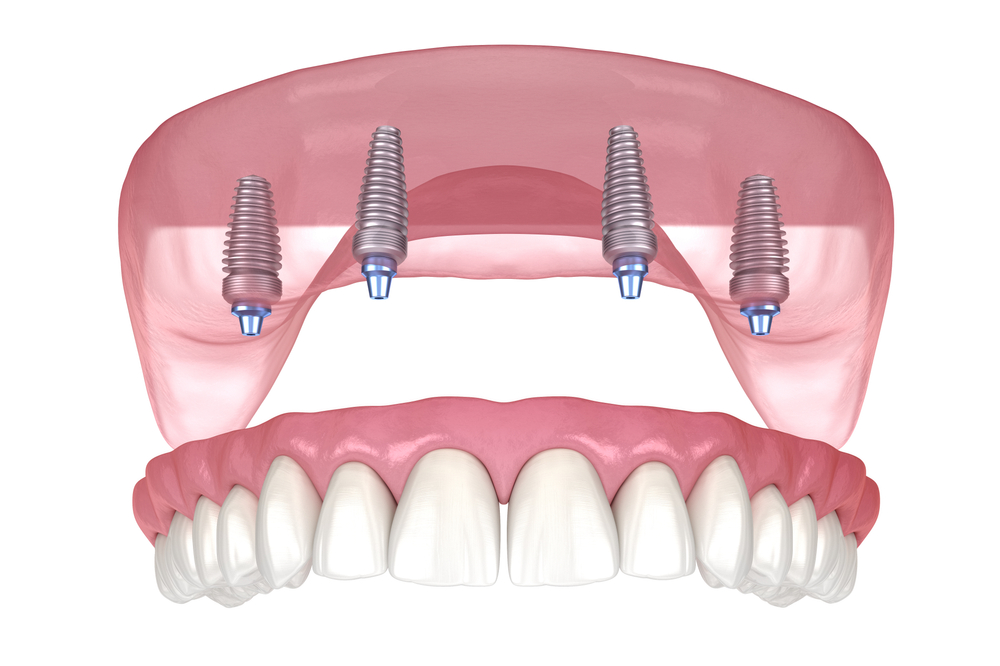
Tooth replacement is possible after extraction. At Robles Family Dental, we offer various options, such as dental implants, bridges, and dentures, to restore your smile and function following a tooth extraction.
What are common reasons for tooth extractions?
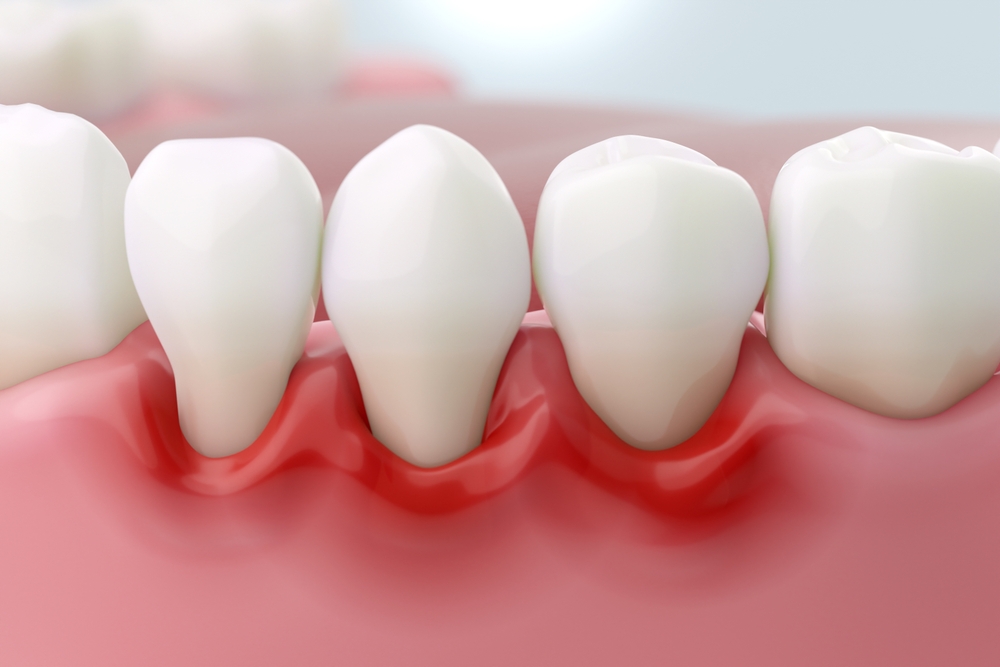
Common reasons for tooth extractions include severe tooth decay, gum disease, overcrowding, and impacted teeth, particularly wisdom teeth. These extractions help maintain oral health and prevent further complications.
How does age affect tooth extraction procedures?
Age affects tooth extraction procedures by influencing bone density, healing time, and the complexity of the extraction. Older patients may experience slower recovery and increased risks, while younger patients typically have more resilient bone structure and faster healing.