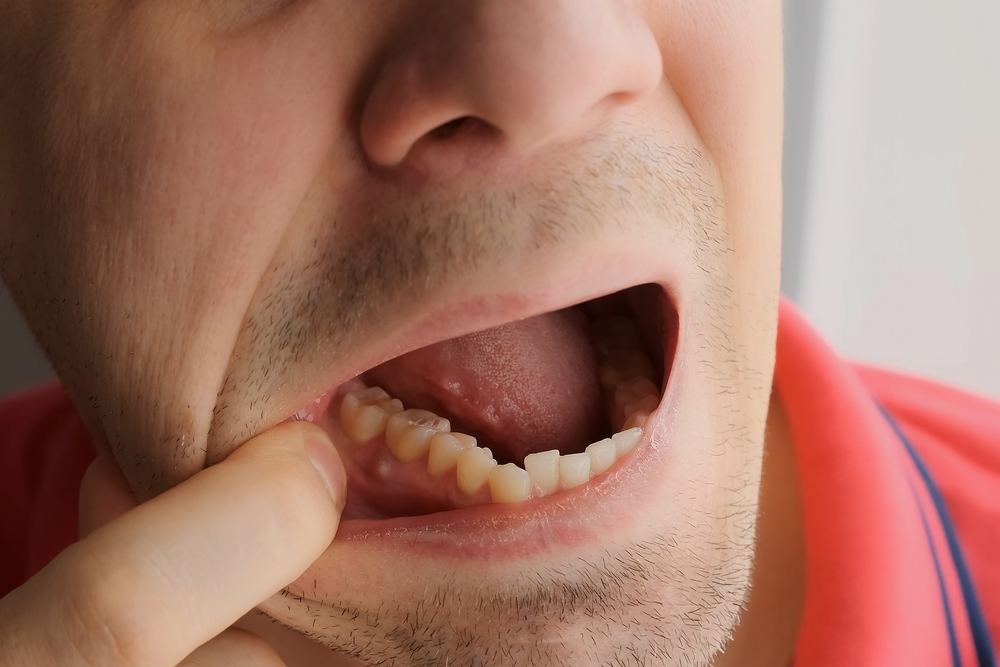
Common Signs You Are Experiencing a Dental Emergency
Understanding which symptoms signal a true emergency helps you respond appropriately rather than waiting when time is critical. Below are the most important warning signs to know.
Severe or Persistent Tooth Pain
 Mild, occasional sensitivity is usually not an emergency. But when pain is intense, throbbing, and doesn’t respond to over-the-counter pain relievers, something more serious is likely going on. Severe tooth pain can indicate:
- Deep decay that has reached the nerve of the tooth
- A cracked or fractured tooth exposing sensitive inner layers
- A dental abscess or bacterial infection is building pressure inside the tooth or surrounding tissue
Pain of this nature warrants a same-day call to our Berwyn office. Don’t try to wait it out.
Knocked-Out Tooth
A knocked-out tooth, also called an avulsed tooth, is one of the most time-sensitive dental emergencies that exists. The window for successfully reimplanting a tooth is roughly 30 to 60 minutes from the moment of injury. If your tooth gets knocked out, here’s what to do immediately:
- Pick up the tooth by the crown — never touch the root.
- Rinse it gently with clean water without scrubbing or using soap.
- Try to reinsert it carefully into the socket. If that isn’t possible, store it submerged in milk or saline.
- Call Robles Family Dental at (708) 788-4444 and head to our office right away.
Broken, Chipped, or Cracked Tooth
A fractured tooth can range from a minor cosmetic chip to a deep crack that exposes the nerve and creates a direct pathway for bacteria. Symptoms often include sharp edges you can feel with your tongue, sudden sensitivity to temperature, or visible damage to the tooth structure. Even if the pain seems manageable at first, a cracked tooth left untreated can worsen rapidly and may ultimately require extraction if not addressed promptly.
Dental Abscess or Infection
 A dental abscess is a bacterial infection that produces a pocket of pus, either at the root of the tooth or in the surrounding gum tissue. It is one of the most serious dental emergencies because the infection can spread beyond the mouth if left untreated. Signs of an abscess include:
- Intense, throbbing pain that may radiate to the jaw, neck, or ear
- Visible swelling in the face, jaw, or gums
- A pimple-like bump on the gum near the painful tooth
- Fever, bad breath, or an unpleasant taste in the mouth
If you suspect an abscess, seek care the same day. Untreated dental infections can escalate to sepsis, a life-threatening systemic condition.
Uncontrolled Bleeding from the Mouth
Some bleeding after a tooth extraction or gum procedure is normal. But bleeding that hasn’t slowed after 10 to 15 minutes of applying firm pressure, or bleeding from a mouth injury that seems excessive, is an emergency. Apply clean gauze and maintain steady pressure while you make your way to our office. If bleeding is severe or accompanied by signs of trauma, go to the nearest emergency room first, then follow up with us for dental care.
Loose or Partially Dislodged Tooth
A tooth that has been pushed out of position or loosened by trauma needs prompt stabilization. Adults should not have loose teeth under normal circumstances, so any tooth that shifts when touched or feels displaced after an injury should be evaluated the same day. Avoid pressing the tooth back into place yourself, as this can cause additional damage to the root or surrounding tissue.
Jaw Pain, Swelling, or Difficulty Opening the Mouth
Jaw pain accompanied by visible swelling, limited range of motion, or a sensation that your bite has shifted can indicate a fracture, dislocation, or serious infection. These symptoms should never be ignored. Immobilize the jaw as best you can and seek care immediately, whether at our dental office or an emergency room, depending on the severity of the injury.
Foreign Object Lodged Between Teeth or in the Gums
Something stuck between your teeth isn’t always an emergency, but when an object is lodged in the gum tissue and cannot be removed with gentle flossing, it can cause significant pain and introduce infection. Do not attempt to dig it out with sharp tools. Call our Berwyn office and let Dr. Robles handle it safely.